Discovering Just How College Environments Enhance Student Interaction and Success
The expedition of school atmospheres discloses vital variables that affect pupil involvement and success. Aspects such as classroom design, psychological support, and area participation play significant roles in forming educational experiences. A well-structured room can foster partnership, while a nurturing ambience urges open dialogue. However, the interaction in between these aspects is complex. What particular approaches can schools execute to optimize these atmospheres for much better outcomes?
The Effect of Classroom Design on Understanding
As pupils go into a class, the layout can significantly influence their knowing experience. A well-organized room advertises involvement and assists in communication among trainees and teachers. Workdesks set up in clusters foster partnership, encouraging seminar and team effort. On the other hand, conventional rows may hinder communication, isolating students from each other and limiting engagement.
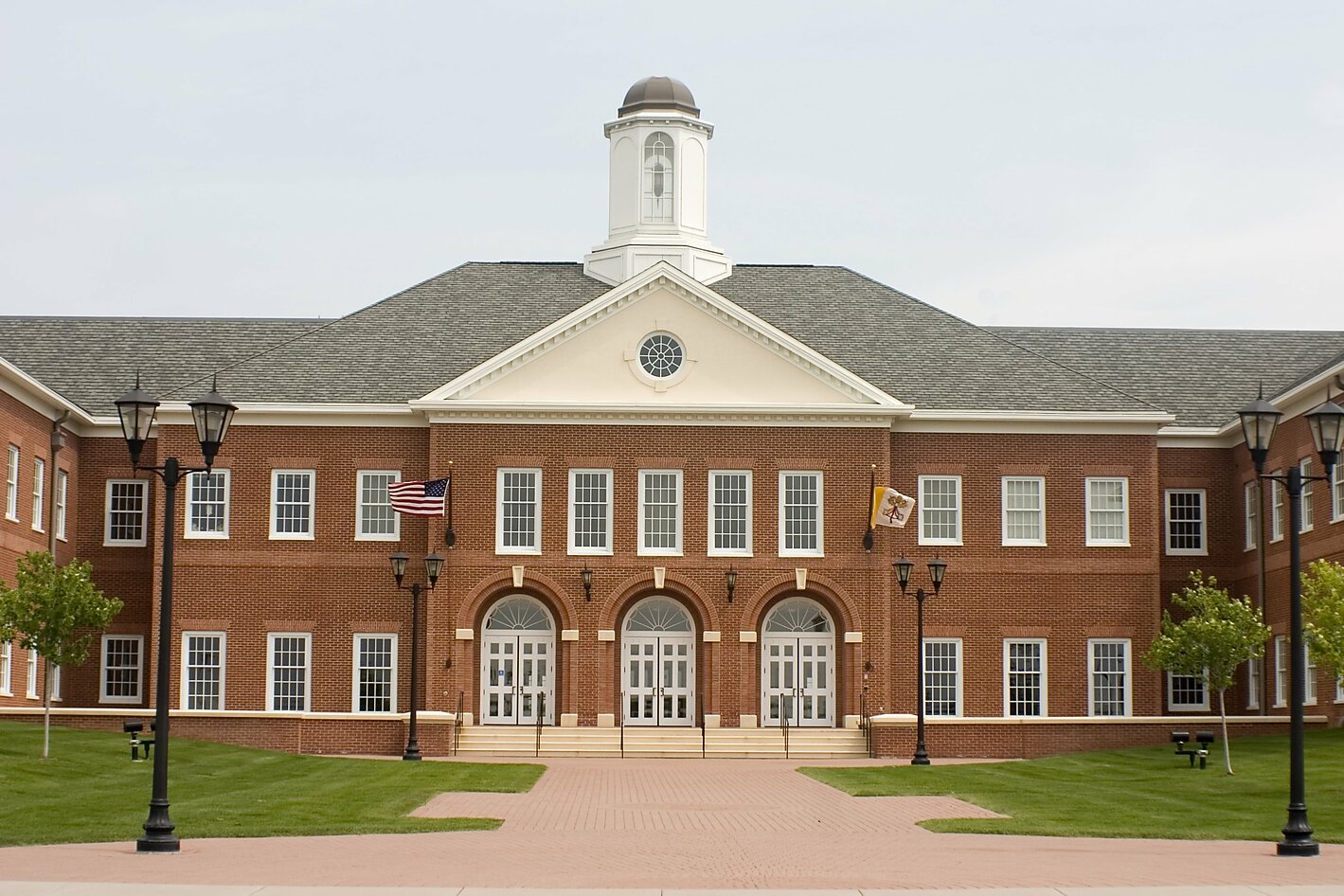
On top of that, dynamic shades and promoting decors can inspire creative thinking and inspiration. Eventually, the thoughtful layout of classroom designs plays an important role in forming trainee behavior, involvement, and academic success, making it a crucial element of reliable instructional atmospheres.
Importance of Resources and Modern Technology in Schools
Accessibility to discovering devices and the assimilation of electronic resources play an important role in improving student interaction within college atmospheres. By giving students with the necessary modern technology and materials, educators can cultivate a more interactive and reliable discovering experience. The efficient usage of these resources can eventually cause boosted scholastic outcomes and higher trainee engagement.

Access to Knowing Tools
Equipping pupils with necessary understanding devices significantly enhances their academic experience. Access to top quality resources, such as textbooks, software program, and research laboratory tools, is essential for promoting scholastic success. Colleges that focus on the schedule of these tools develop an environment for discovering and exploration. Additionally, innovation assimilation, like computer systems and interactive whiteboards, facilitates diverse mentor approaches and engages students in ingenious ways. When pupils have access to current materials, they are more probable to participate actively in their education and learning, bring about boosted efficiency and retention of expertise. Inevitably, the arrangement of sufficient discovering tools not only sustains private scholastic accomplishment but additionally grows a collective ambience where pupils can thrive and develop important skills for their future.
Integration of Digital Resources
The integration of electronic resources in instructional settings significantly transforms the learning landscape. By including modern technology right into the educational program, colleges enhance trainee interaction and promote customized learning experiences. Accessibility to interactive devices, such as educational software application and online platforms, fosters collaboration and vital thinking among pupils. Furthermore, electronic resources give instantaneous accessibility to vast information, allowing learners to discover topics in greater deepness. Educators can utilize information analytics to keep an eye on student development and tailor guideline as necessary. The use of multimedia material allures to varied understanding designs, making education extra inclusive. As schools accept digital sources, they not just prepare trainees for a technology-driven world yet also advertise lifelong knowing practices necessary for future success.
Creating a Supportive Emotional Setting
While cultivating an encouraging emotional environment might feel like a difficult job, it is important for improving trainee involvement and overall health. A nurturing environment advertises favorable partnerships amongst trainees, educators, and staff, which can greatly affect academic efficiency. Emotional assistance, including encouragement and understanding, assists trainees really feel valued and risk-free, enabling them to take dangers in their understanding.
In such atmospheres, open communication is motivated, enabling students to share their sensations and concerns without anxiety of judgment. Institutions can implement programs concentrated on social-emotional discovering, teaching pupils essential abilities in empathy, conflict, and resilience resolution. Additionally, recognizing and commemorating individual success cultivates a sense of belonging, encouraging pupils to purchase their education. Eventually, an encouraging psychological atmosphere adds to lower anxiety degrees and greater motivation, laying the structure for a successful school neighborhood where every trainee has the opportunity to prosper.
Collaborative Spaces for Enhanced Interaction
Creating a supportive emotional atmosphere establishes the stage for further improvements in student engagement, especially via the style of joint spaces. These locations motivate communication and cultivate a feeling of neighborhood among students. By incorporating adaptable furniture, innovation, and open designs, colleges can help with team effort and communication. Collaborative spaces provide pupils with possibilities to share concepts, solve problems with each other, and establish crucial social abilities.
Furthermore, such settings can accommodate diverse knowing styles, as students take part in numerous group conversations, projects, and tasks. This interaction not just improves academic achievement but additionally promotes a feeling of belonging and financial investment in the academic process. The presence of collective spaces can likewise influence creative thinking and innovation, as pupils feel encouraged to share themselves and discover new ideas jointly. Eventually, these thoughtfully developed areas contribute greatly to the overall learning experience, strengthening the importance of cooperation in attaining pupil success.
The Duty of Community Participation in Education And Learning
When institutions actively engage with their bordering areas, they develop an abundant tapestry of support that improves the academic experience for students. Area participation fosters partnerships that offer resources, mentorship, and volunteer opportunities, improving the curriculum and developing real-world links. Regional companies and companies can offer internships and task watching experiences, which aid pupils imagine their future professions.
In addition, entailing family members in institution tasks promotes a feeling of belonging and investment in the instructional process. This collective setting encourages open interaction, making sure that the voices of trainees, parents, and community members are listened to and valued.
Study shows that institutions with solid area connections experience greater levels of student interaction and academic success. Inevitably, area involvement not only enhances the instructional landscape but also prepares pupils for active citizenship, instilling a feeling of obligation in the direction of their area and cultivating lifelong discovering.
Cultivating Creative Thinking Via Flexible Knowing Atmospheres
Versatile discovering settings play a crucial role in promoting creativity amongst trainees, as they permit for a dynamic and flexible strategy to education and learning. By supplying numerous formats, such as open rooms, collaborative locations, and quiet zones, these settings provide to varied discovering styles and preferences - Private School. This flexibility motivates students to discover their interests and involve more deeply with the product
Additionally, the assimilation of innovation within these spaces boosts possibilities for development and trial and error. Pupils can access sources and tools that facilitate imaginative problem-solving and crucial thinking.
Furthermore, a much less stiff framework promotes partnership amongst peers, encouraging the exchange of viewpoints and concepts. This collaborative ambience can cause the development of imaginative jobs and unique options.
Techniques for Structure an Encouraging School Culture
Producing an encouraging school culture includes carrying out collaborative discovering possibilities that urge pupil communication and teamwork. In addition, celebrating student accomplishments promotes a sense of belonging and acknowledgment, which can better boost interaction. These strategies are necessary for growing a setting site here where pupils feel valued visit and motivated to learn.
Collaborative Knowing Opportunities
While cultivating an encouraging school society, joint understanding opportunities play a necessary function in boosting pupil engagement. These chances produce a dynamic environment where pupils can share ideas, collaborate on projects, and gain from each other. By urging teamwork, schools foster a feeling of belonging and community, which is crucial for trainee motivation. Collaborative knowing also advertises important reasoning and analytical skills, as pupils browse challenges jointly. Educators can execute group activities, peer tutoring, and project-based discovering to help with partnership, guaranteeing that each trainee adds and finds out proactively. This strategy not just heightens interaction yet also prepares trainees for real-world circumstances where collaboration is essential. Ultimately, such strategies cultivate a positive college society that celebrates cumulative achievement and individual growth.
Celebrating Student Achievements
How can celebrating student achievements boost motivation within a school society? Identifying and honoring pupils' achievements promotes a sense of belonging and satisfaction. It reinforces the concept that effort and dedication are valued, motivating trainees to set and pursue personal goals. Schools can carry out numerous approaches, such as honor ceremonies, bulletin board system showcasing achievements, and social media highlights, to create an environment where successes are shared and valued. Commemorating accomplishments encourages peer support and cooperation, cultivating a positive ambience that advertises cumulative success. This recognition not only increases self-worth yet also influences other trainees to go for quality, eventually improving total engagement and academic efficiency within the institution neighborhood.
Regularly Asked Questions
Just How Can Moms And Dads Contribute to Producing a Favorable School Setting?
Moms and dads can add to creating a favorable institution environment by volunteering, communicating openly with teachers, sustaining institution plans, going to occasions, cultivating connections with various other family members, and motivating their kids to respect and involve with peers and staff. (Grade School Peoria)
What Function Do Extracurricular Activities Play in Pupil Engagement?
After-school activities substantially improve trainee involvement by advertising social links, promoting teamwork, and developing leadership skills. They supply chances for personal growth, motivating students to check out interests beyond academics, ultimately adding to an all-round academic experience.
Exactly How Does School Size Affect Pupil Success and Interaction?
School size substantially impacts trainee success and involvement, with smaller sized schools often cultivating closer connections, individualized focus, and stronger neighborhood connections, while larger colleges might provide varied sources yet can lead to sensations of privacy and disengagement.
What Work Methods for Gathering Pupil Responses on College Environments?
Effective approaches for gathering trainee comments on institution settings consist of studies, emphasis groups, recommendation boxes, and confidential digital systems. Each method motivates open interaction, enabling trainees to share their thoughts and experiences concerning their learning environment.
How Can Schools Address Diverse Understanding Needs Within the Very Same Setting?
Institutions can resolve diverse knowing demands by carrying out differentiated direction, utilizing flexible seating setups, and offering different sources. Additionally, promoting a helpful neighborhood urges collaboration, permitting students to pick up from each other in a comprehensive atmosphere.
Accessibility to finding out Web Site tools and the integration of digital sources play a necessary function in improving student interaction within institution settings. By including technology into the curriculum, schools improve student engagement and facilitate customized discovering experiences. Schools can carry out programs concentrated on social-emotional knowing, training students crucial skills in strength, empathy, and conflict resolution. Producing a motivating school society includes executing joint knowing possibilities that encourage pupil communication and synergy. While promoting an inspiring institution culture, collaborative knowing possibilities play a necessary function in enhancing pupil involvement.
Comments on “Kindergarten: Recognition and Motivation for Young Children”